

I recently completed the TryHackMe SEC1 certification exam and managed to score 690 out of 700 points, which I’m pretty happy about! This writeup is about my journey preparing for the exam through the CS101 learning path and what the actual exam experience was like. If you’re an entry-level cybersecurity student looking to validate your skills, this certification is honestly a great place to start.
What is the SEC1 Exam?
So let me talk about what the SEC1 exam actually is. It’s TryHackMe’s entry-level cybersecurity certification that tests your practical skills across multiple domains. The format is completely hands-on, meaning there are absolutely no theory-based questions where you just pick an answer from multiple choices. Everything is about interacting with actual machines and finding the answers yourself.
The exam structure breaks down like this:
- 7 sections total covering 6 major topics
- 10 questions per section (70 questions total)
- Time limit per section
- 100% hands-on, no theory
- Open book (you can revisit THM modules during the exam)
The distribution is pretty balanced too. There were 3 purple team modules, 2 red team modules, and 2 blue team modules. This means you get tested on offensive security, defensive security, and that hybrid purple team approach. What I really liked is that the exam is open book, so you can actually revisit TryHackMe modules during the exam if you need to refresh your memory on something. This makes it way more realistic to how things work in the real world where you have access to documentation.
Preparation with CS101 Learning Path
Before I even thought about taking the SEC1 exam, I completed the entire CS101 learning path on TryHackMe, and honestly, this was the key to my success. The CS101 path is basically the blueprint for everything you’ll see in the SEC1 exam. Almost everything covered in the exam comes directly from the CS101 learning path, and I mean almost everything.
The CS101 path covers topics like:
- Linux fundamentals (command line, file systems, permissions)
- Windows fundamentals (environments and security)
- Networking basics (TCP/IP, protocols, analysis)
- Web application security (OWASP Top 10, common vulnerabilities)
- Cryptography (encryption, hashing, encoding)
- Security operations (logs, SIEM, incident response)
If you’re planning to take SEC1, my biggest recommendation is to finish CS101 first. The investment in learning really pays off during the actual test. What made CS101 so valuable was that it gave me hands-on practice with a similar approach to what I’d face in the exam. By the time I finished the learning path, I felt confident that I was actually ready to attempt the certification. The comprehensive coverage meant I wasn’t blindsided by any topics during the exam.
The Exam Experience
When it came to the actual exam experience, I completed all 7 sections in about 5 hours. The exam is definitely manageable if you’ve properly prepared with CS101. I’d say the difficulty level is easy to moderate for someone who’s gone through the learning path. I didn’t feel rushed at all, the questions were clear and straightforward, and I had no technical issues with the lab environment. Everything just worked smoothly.
The open book feature was clutch. I did revisit some modules during the exam to confirm certain concepts and commands, especially when I wanted to double-check syntax or remember specific techniques. This feature makes the exam feel more like a real-world scenario rather than a pure memorization test. You’re being tested on your ability to apply knowledge and find solutions, not just regurgitate facts.
My approach during the exam was pretty straightforward:
- Read all questions in a section first to get an overview
- Start with topics I felt most comfortable with
- Use open-book strategically when needed
- Double-check answers before submitting
- Keep track of time per section
Results and Key Takeaways
I ended up scoring 690 out of 700 points, which I’m quite proud of. The 10 points I missed were probably due to small oversights in a couple of questions or maybe rushing through one section a bit too quickly. But overall, the scoring felt fair and reflected my actual understanding of the material.
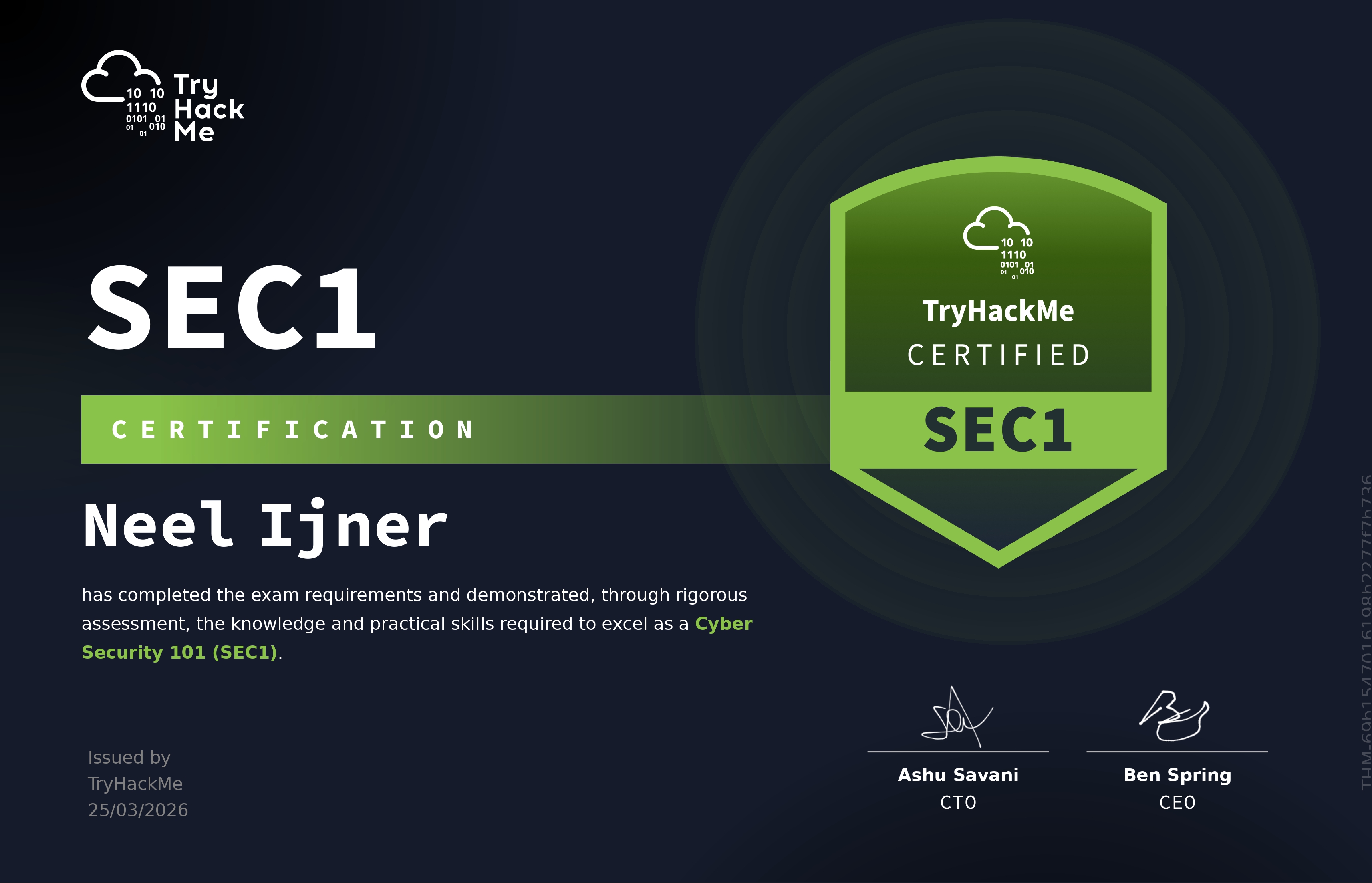
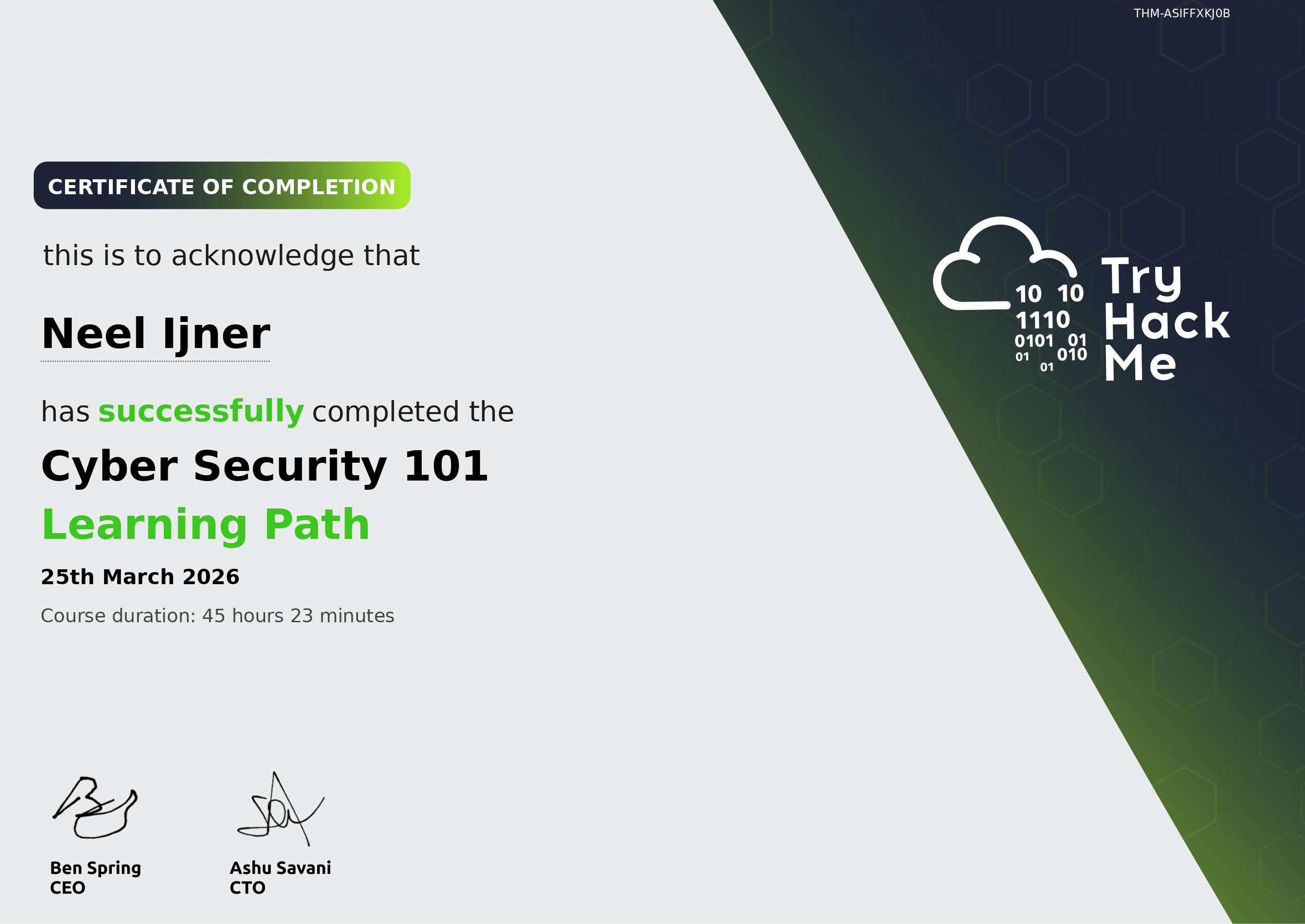
What I learned from this whole experience is that practical skills really matter. The hands-on format tests whether you can actually perform tasks, not just remember theory. Having strong fundamentals in Linux, networking, and web security carries you far. I also realized that knowing how to quickly find information is just as important as memorizing it, and understanding both offensive and defensive perspectives through that purple team mindset is genuinely valuable.
Happy hacking, and good luck with your SEC1 exam!
Some information may be outdated